Does Leather Furniture Cause You to Sweat ?
Why It Does and How to Prevent It
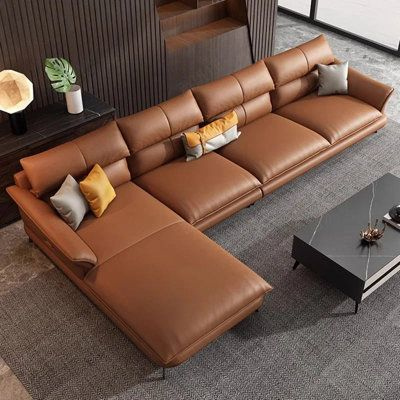
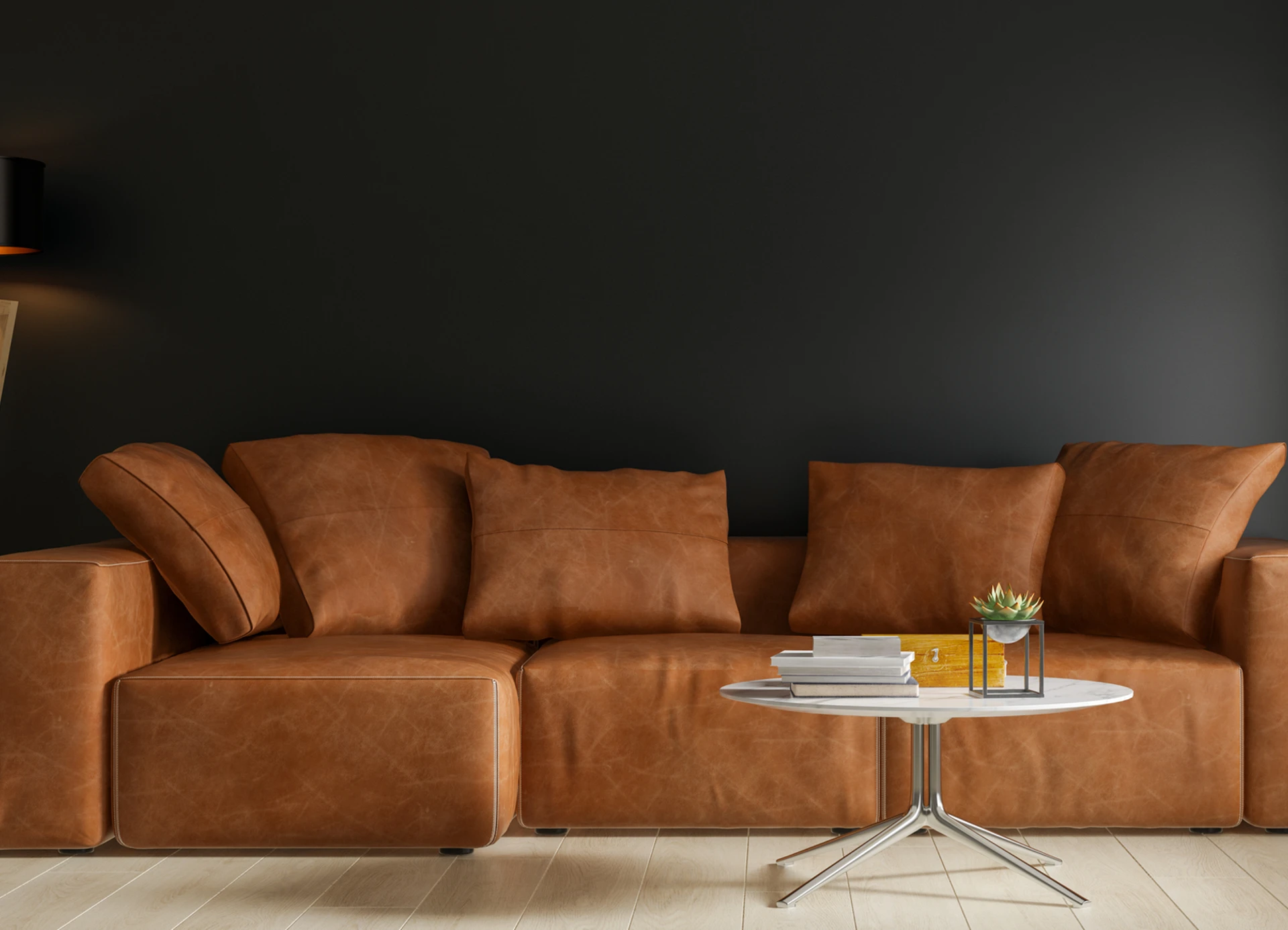
Leather furniture, with their sleek appearance, are a popular choice for many homes. However, one common complaint is that leather causes you to sweat. Unlike fabric or other breathable materials, leather is non-porous and does not allow air to circulate.
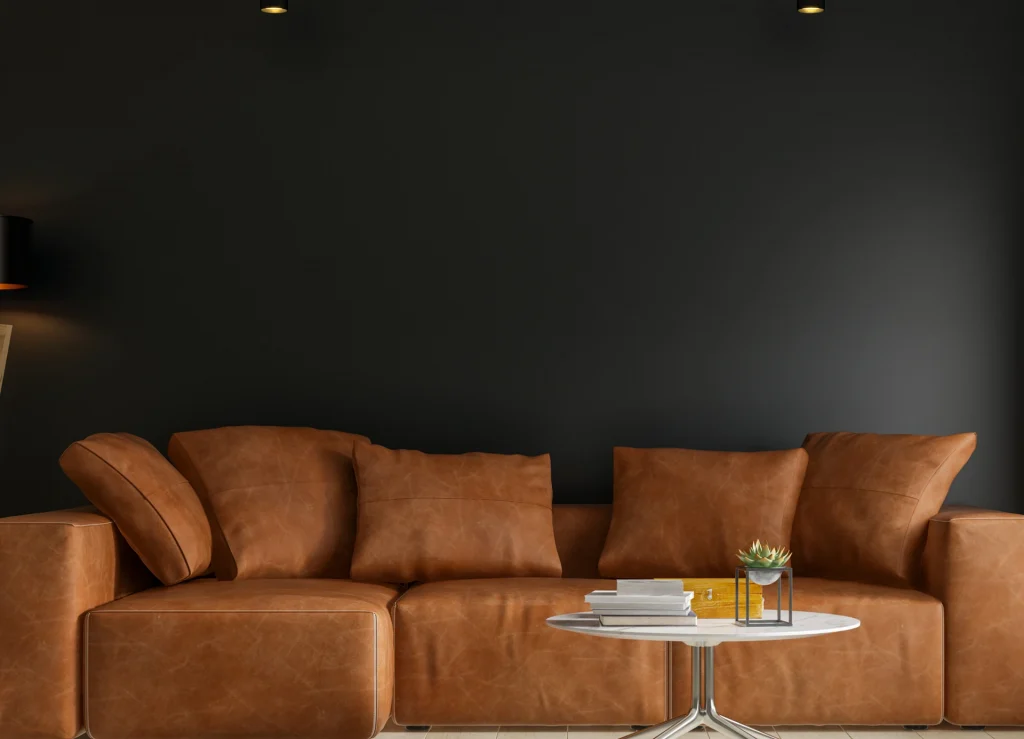
This means it cannot absorb moisture, causing sweat to remain on your skin. It’s much more worrisome in the midday and during hot weather conditions where the temperature is at its peak. Aside from the discomfort, it can also make the leather feel sticky and clammy against your skin. Your clothing, color, and quality of leather also contribute in varying ways to this sweating. In this article, we will explain the effect and give tips on how to stay cool and comfortable
Effect of Sweat on leather furniture
Fading or discoloration:
When sweat is shed on the leather for a long time, it gradually loses its original color, becoming either a lighter shade ( fade ) or a darker one (discolor).
Odor Development :
As sweat sheds onto the leather , it creates an environment for bacteria to thrive, giving an unpleasant odor
Mold Growth:
The same way, the moisture from sweat created breeding grounds for the growth of mold. Mold can not only damage the leather; it can also cause respiratory diseases.
Cracking:
If leather absorbs moisture for a long period of time, it can break the integrity of the material. Once this happens , you begin to notice cracks on it. The salt in sweat is strips the material off its natural oils, leading to cracking
Peeling:
Sweat is one of the things that causes damage, such as peeling due to accumulation over time. This is mostly seen in areas with high friction and use . peeled surface can be very uncomfortable whenever it comes in contact with the skin Aside from this, the aesthetic appeal of the le is also diminished.
Avoid Sweating on Your Leather Couch
Air Conditioning and Fans :
Air conditioners or fans keep a cool environment and should be adjusted accordingly to suit you during different weather conditions. Proper ventilation can also help to reduce sweating.
Use breathable covers :
Place breathable covers on the leather . This reduces your skin contact with it, preventing the accumulation of sweat
Wear natural-fiber clothing.
Natural clothings made of fiber reduces sweating and helps you stay more comfortable.
Avoid Sunlight:
Direct sunlight can heat up the leather and increase sweating. Position your sofa away from direct sunlight.
Protect Your Leather Sofa : Tips for Preventing Sweat Damage
Regular Cleaning :
Instant care when the sweat forms can prevent it from sipping into the material
Proper Ventilation:c
This can help minimize odor buildup
Professional Reupholstering:
When your leather sofa has peeled beyond a manageable level, it’s time to consider reupholstering. This process can take it from worn-out to wonderful. A professional upholsterer can restore the sofa to even better quality.
Conclusion
Keep your leather sofa looking its best by avoiding sweat and addressing peeling