
Best Material for Your Outdoor Furniture
You must have seen these outdoor furniture sets, the ones that host family gatherings in many homes and relaxation at lounges. But have you ever wondered how these furniture pieces endure heavy rain, scorching heat, and gusty winds?
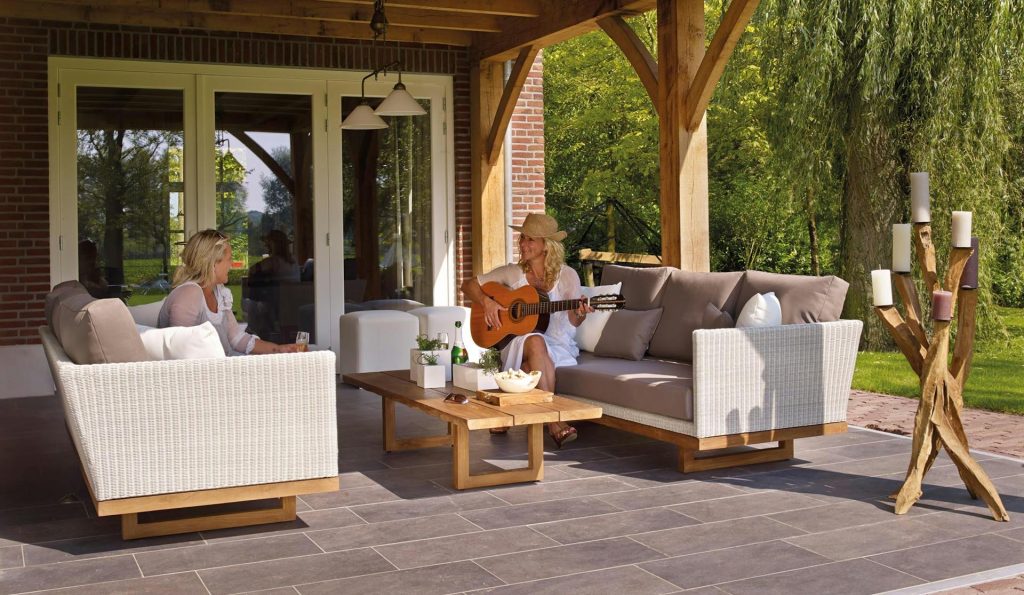
The truth is, outdoor furniture is built in a way to withstand harsh weather conditions they are the main determinants in choosing resistant and the best furniture for these outdoors purposes.
Things to Consider Before Choosing Outdoor Furniture
Selecting the right outdoor furniture involves more than just aesthetics. Here are key factors to keep in mind:
1. Purpose and Function
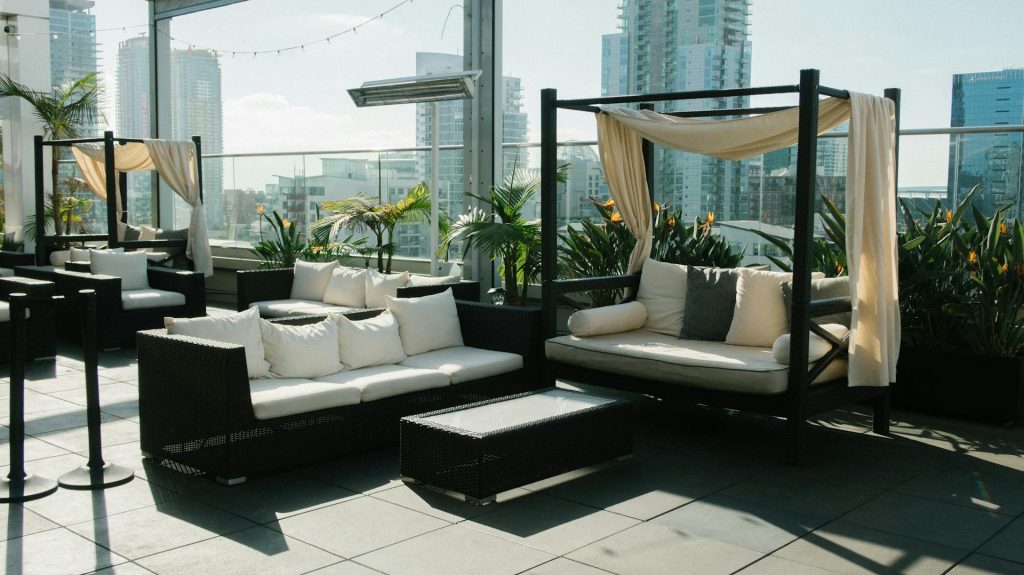
Is the furniture for dining, lounging, entertaining, or multi-purpose use? This will help decide the type and size of furniture you need.
2. Climate Considerations
For areas with extreme weather, prioritize furniture with UV protection, rust resistance, or moisture resistance.
3. Material Durability
Weather Resistance: Choose materials that can withstand the climate in your area, such as aluminum for humid regions or teak for sunny climates.
Longevity: Opt for materials known for durability, such as wrought iron for lasting performance.
4.Comfort and Design
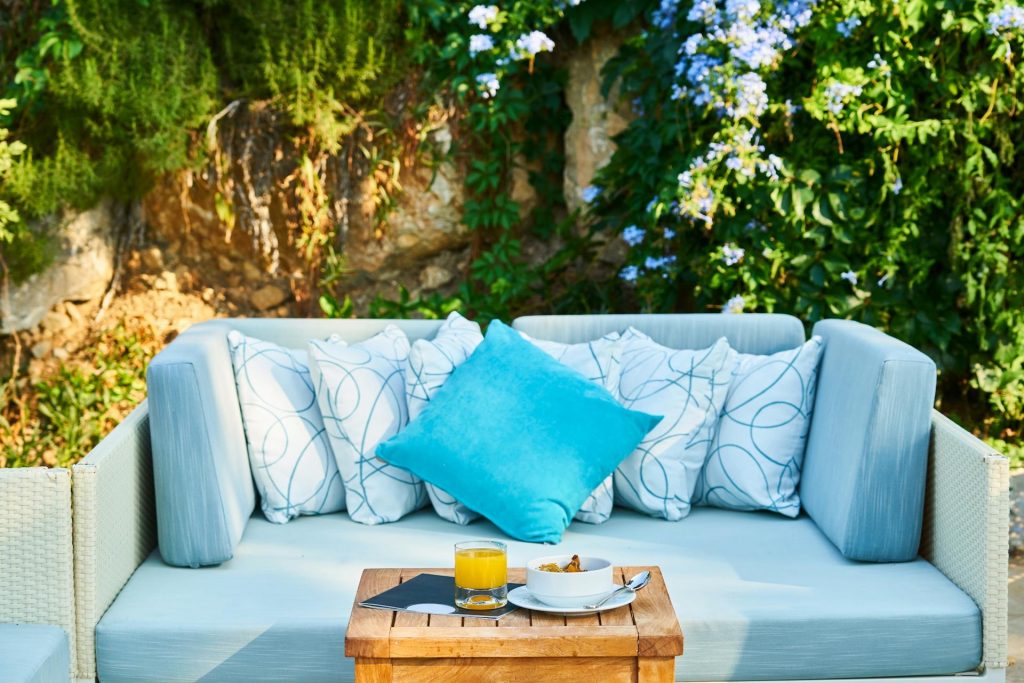
Ensure the furniture is comfortable, especially for long hours of use. Consider cushions, ergonomic designs, and appropriate height for tables and chairs.
5. Maintenance Requirements
Assess the care each material needs. Low-maintenance materials like aluminum and olefin fabric are ideal if you prefer less upkeep.
6. Space Availability
Measure your outdoor area to be sure the furniture fits well without overcrowding the space. Foldable or stackable options are great for smaller patios.
7. Budget
Set a realistic budget that includes potential extras like cushions, protective covers, or storage solutions.
8. Storage Solutions
Ensure you have space to store furniture during off-seasons if needed. Lightweight or collapsible furniture can be easier to store.
9. Craftsmanship and Quality Assurance
Outdoor furniture is an investment, so it’s essential to choose a reliable company that will deliver real value for your money. Partner with a company that prioritizes quality and customer satisfaction, like the unmatched expert services offered at Great Owoblow Furniture Company.
Preselection Process: How We Ensure Materials Durability
This preselection process narrows down the options to only the toughest materials . Here’s our most working strategy to ensure the best outdoor furniture
1. Moisture Resistance Testing: Ensures the material can withstand rain and humidity without rotting, rusting, or weakening.
2. UV Exposure Testing: Verifies that the material can handle long hours of sunlight without fading, cracking, or breaking down.
3. Temperature Endurance Testing: Confirms the material can withstand extreme hot and cold temperatures without warping, expanding, or degrading.
Choosing the Right Material: Metals, Wood, and Fabrics
Each material used in outdoor furniture is chosen based on its strengths and suitability for specific climates or usage scenarios. Here’s how they break down:
Metals:
1. Aluminum
Aluminum is best for humid,coastal, or rainy areas. Aluminum is highly resistant to rust, so it’s perfect for environments with high moisture. It is Lightweight and rust-resistant, aluminum can be powder-coated for extra protection against UV rays and moisture. It’s easy to move and doesn’t corrode.
Because it’s lightweight, it may be moved by strong winds, so securing it in windy regions might be necessary.
2. Stainless Steel
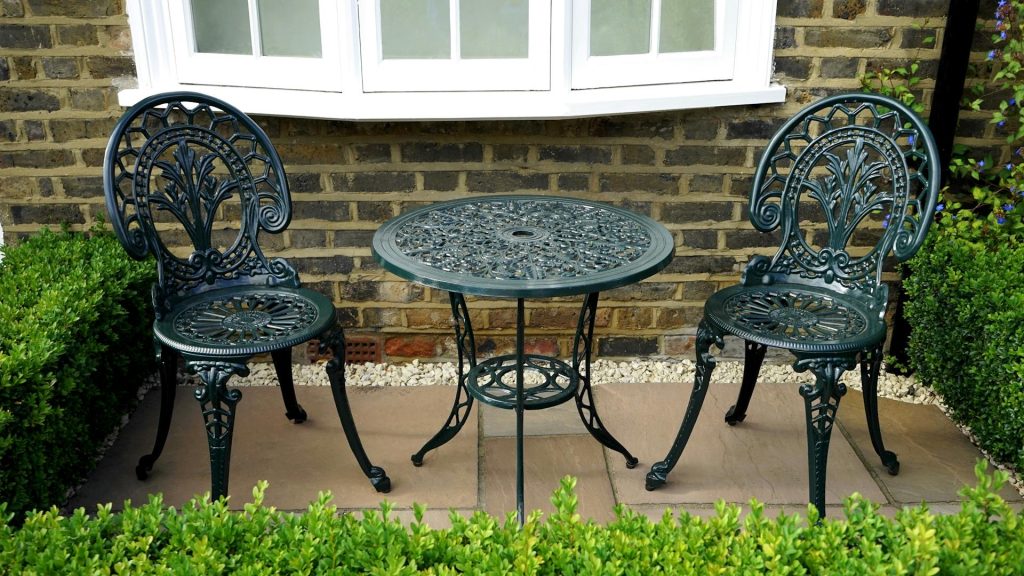
It is all-weather durability, especially for heavy-use settings or locations with mixed climates.It is Strong and corrosion-resistant, stainless steel is ideal for supporting heavier furniture pieces. It’s heavier than aluminum and stays in place well during windy conditions.It can get hot in direct sunlight, so adding cushions or protective covers is often recommended.
3. Wrought Iron
It is best for windy areas and a classic, vintage aesthetic.It is sturdy and wind-resistant, wrought iron offers a timeless look and durability. When coated, it can withstand outdoor conditions.It requires regular maintenance to prevent rust in damp environments. Its weight also makes it harder to rearrange.
Wood:
1. Teak
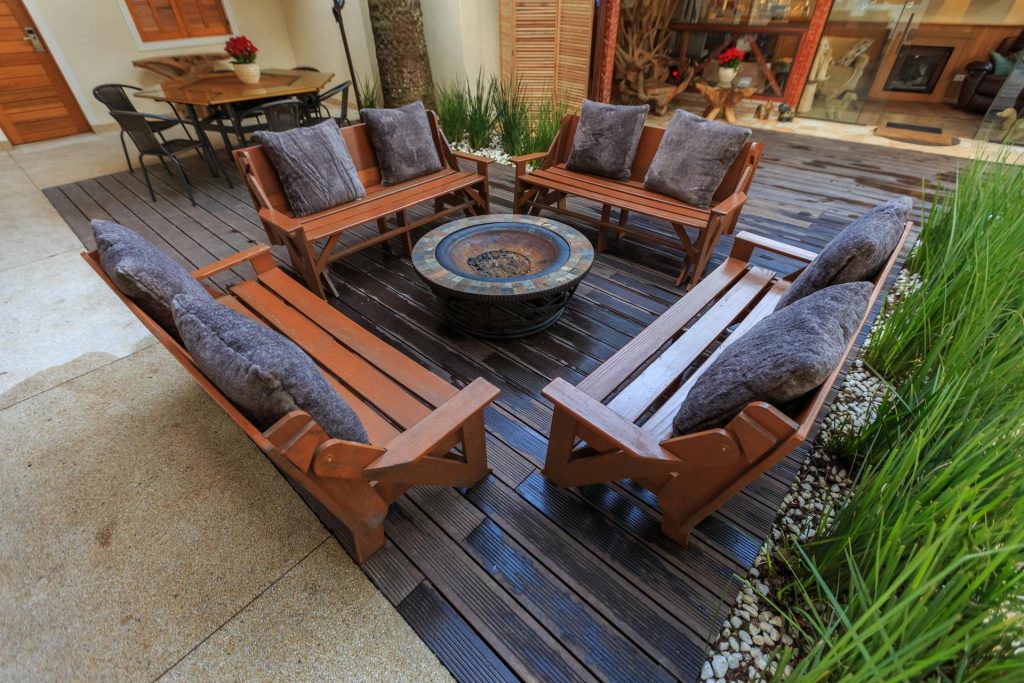
It is an All-weather resilience.Teak’s natural oils make it resistant to water and rot. It weathers into a beautiful silver-gray and requires minimal upkeep.Teak can be pricier, but it’s worth the investment for its longevity and strength.
2. Cedar
Cedar is naturally insect- and rot-resistant, offering durability in moderately damp conditions without much maintenance.It’s only drawback is that it is softer than teak, so it’s best for lighter use. May need staining or sealing to maintain its appearance over time.
3. Eucalyptus
Eucalyptus is dense and naturally resistant to rot, eucalyptus is durable and environmentally friendly. It’s a great alternative to teak.Requires regular oiling to prevent cracking and maintain its durability.
Fabrics
1. Acrylic
It is great for Sunny and humid regions where UV exposure and mold are concerns.Acrylic resists fading and dries quickly, so it won’t stay damp after rain. It’s soft and mold-resistant.Acrylic is generally more expensive than other outdoor fabrics.
2. Polyester
Polyester holds up well against moderate rain and sun exposure. It’s also treated for water and UV resistance.It may not be as mold-resistant as acrylic or olefin, so frequent cleaning is recommended if exposed to moisture regularly.
3. Olefin
Olefin is High-sun and rain-prone areas, and for those seeking eco-friendly options. Olefin is highly resistant to UV rays, stains, and moisture. It’s durable and eco-friendly, made from recycled materials.While durable, olefin can feel stiffer than other fabrics, so it may not be as plush for seating.
Maintenance Tips for Long Lasting Furniture
Aside from the use of protective coverings, a crucial first step in safeguarding your outdoor furniture, other tips like regular cleaning, polishing are equally important.
Metals
1. Aluminum: Clean with soapy water; avoid abrasives; touch up chips in the powder coating to prevent corrosion.
2. Steel: Polish regularly and rinse after rain to prevent spotting and rust formation.
3. Wrought Iron: Apply rust-resistant coating annually, clean with a soft brush, and cover during harsh weather to avoid damage.
Wood
1. Teak: Clean and oil regularly to maintain its natural tone, or leave untreated to develop a silver-gray patina over time.
2. Cedar: Seal the wood yearly to protect it and avoid using pressure washers to maintain the surface integrity.
3. Eucalyptus: Oil periodically to prevent drying out and cover during the off-season to extend its lifespan.
Fabrics
1. Acrylic Fabric: Brush off dirt, machine-wash removable covers, and store cushions indoors during winter.
2. Polyester Fabric: Spot clean with mild soap and avoid prolonged exposure to direct sunlight to prevent fading.
3. Olefin Fabric: Rinse off after rain, clean with light soap, and ensure cushions are air-dried thoroughly to avoid mold.
Making the Right Choice for Your Space
Your outdoor space deserves furniture that not only looks stunning but also meets your specific needs. At Great Owoblow, we understand that every outdoor environment is unique, which is why we personalize your needs.
Have A Project in Mind? Give Us A Call
Whether residential or commercial outdoor furniture, our dedicated team of skilled craftsmen and experts are ready to bring your ideas to reality.